Sardines and Cape Town Sewage
? Sewage Discharges off Cape Town
- Atlantic Seaboard Outfalls:
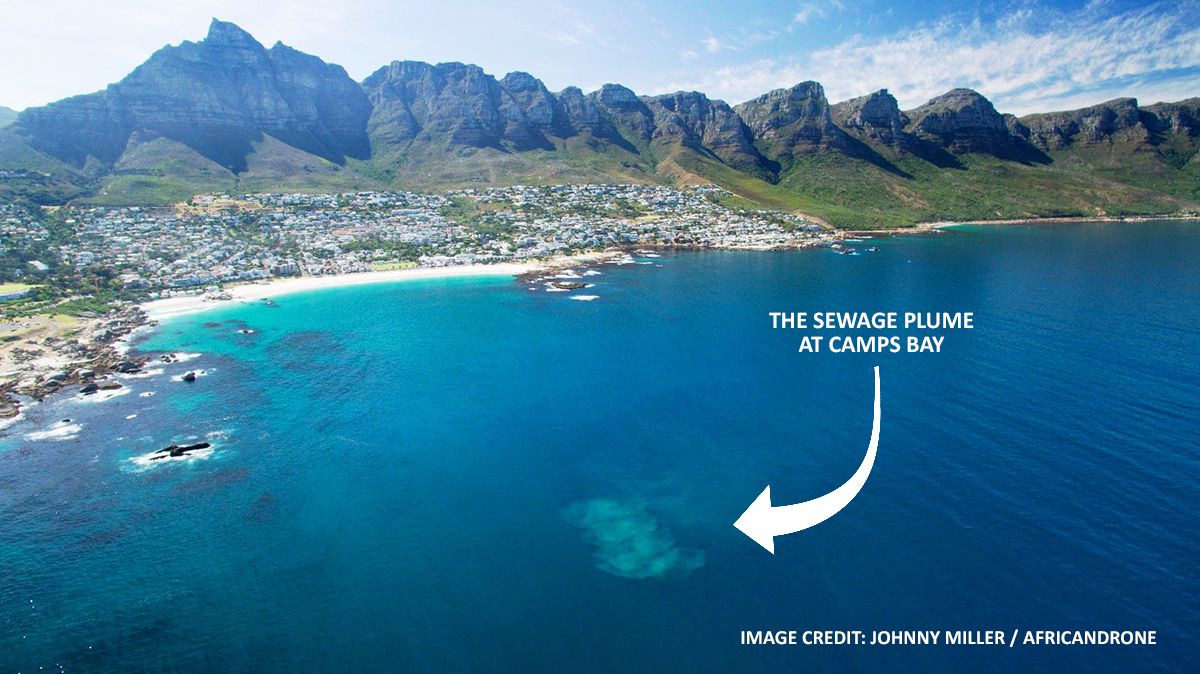
- Green Point, Camps Bay, and Hout Bay pump 27–32 million litres of raw sewage daily into the ocean.
- These outfalls are exempt from faecal bacteria monitoring, meaning contamination is largely unchecked.
- False Bay Pollution:
- Failing sewage plants discharge 216 million litres/day of untreated or partially treated sewage into False Bay.
- Total Sewage Load:
- Cape Town releases 382 million litres/day — that’s ~139 billion litres/year of untreated or partially treated sewage into rivers and oceans.
? Sardine Die-Off (2026)
- Observed Symptoms: Sardines were seen gasping at the surface before dying — a classic sign of low oxygen stress linked to algal blooms and eutrophication.
- Geographic Spread: Mortality stretched from Saldanha Bay to Gansbaai, with sardines most heavily affected.
Causes Investigated
- Harmful Algal Blooms (HABs):
- A bloom of Alexandrium catenella was confirmed offshore Saldanha.
- HABs produce toxins and deplete oxygen, suffocating fish.
- Pilchard Herpesvirus (PHV):
- Viral genetic material was detected in dead and some healthy sardines.
- Scientists caution virus alone is insufficient; environmental stress likely triggered mortality.
- Oceanographic Stressors:
- Enhanced upwelling, unusually cold nearshore water, and low oxygen in St Helena Bay preceded the event.
? Why Sardines?
- Sardines are filter feeders, highly exposed to HAB toxins and oxygen depletion.
- Their physiology makes them more vulnerable than larger predatory fish.
- PHV may have weakened sardines, but HAB-driven hypoxia explains the gasping behaviour before death.
?? Risks & Implications
- Ecological: Sardines are a keystone species — die-offs ripple through seabirds, seals, dolphins, and fisheries.
- Public Health: Sewage-driven HABs can contaminate shellfish with toxins (e.g., paralytic shellfish poisoning).
- Governance: Continued sewage pumping into marine protected areas violates environmental rights and fuels distrust in official narratives.
? Conclusion
The evidence points to Cape Town’s massive sewage discharges fueling HABs and oxygen depletion, which stressed sardines and triggered the die-off. PHV was present but likely acted as a secondary factor. The “gasping for air” symptom strongly supports the HAB/low oxygen explanation.
Socials
https://facebook.com/thesardinenews
https://instagram/thesardinenews
https://linkedin.com/thesardinenews
https://tiktok.com/thesardinenews
Sardines and Sighting Maps
Here are the links to existing and past Sardine Sighting Maps. With instructions on how to install The Sardine News right on your phone, tablet, or even desktop.
YouTube Channels
Brucifire Surf Retorts – highly entertaining surf reporting
Master Watermen – news from way down deep
The Sardine News – neva miss a single sardine
FishBazaruto – 1000 pounds plus
MYDO Tackle Talk – highly technical sport fishing
Surf Launching Southern Africa – getting out there safely
Water Woes – complain about your municipality here
Websites
umzimkulu.co.za – fishing, charters, accommodation
umzimkuluadrenalin.co.za – will get you right out and onto the edge
thesardine.co.za – never miss a single sardine
masterwatermen.co.za – news from under water
fishbazaruto.com – dreams are out there
brucifire.co.za – surf retorts
fishmad.co.za – destination Madagascar
andantelodge.co.za – Transit luxury in Pretoria
destinycottage.co.za – Mbotyi dreams
eshowe.com – the heart of Zululand